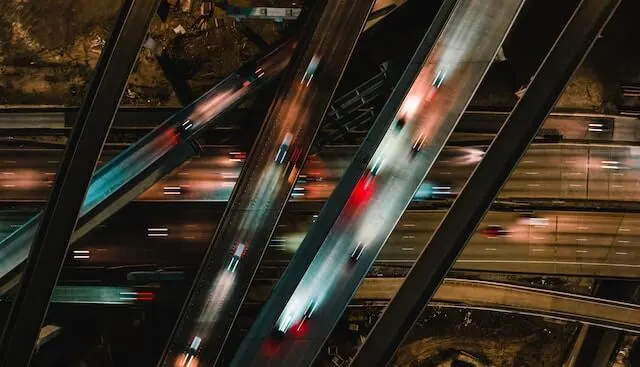

Beneath the busy streets of Downtown Houston lies one of the city's most fascinating and often overlooked attractions. The Houston Downtown Tunnel System is an extensive network of climate-controlled pedestrian walkways connecting office towers, hotels, restaurants, shops, parking garages, and major commercial buildings throughout the central business district.
While many visitors spend their time exploring attractions above ground, thousands of workers and travelers use these underground passages every weekday to navigate Downtown Houston comfortably, regardless of weather conditions.
For visitors seeking unique experiences beyond Houston's most famous landmarks, the tunnel system offers a glimpse into a hidden side of the city that many tourists never discover.
For a broader overview of attractions, neighborhoods, and visitor resources, start with the Houston Tourism & City Exploration Hub.
What Are the Houston Downtown Tunnels?
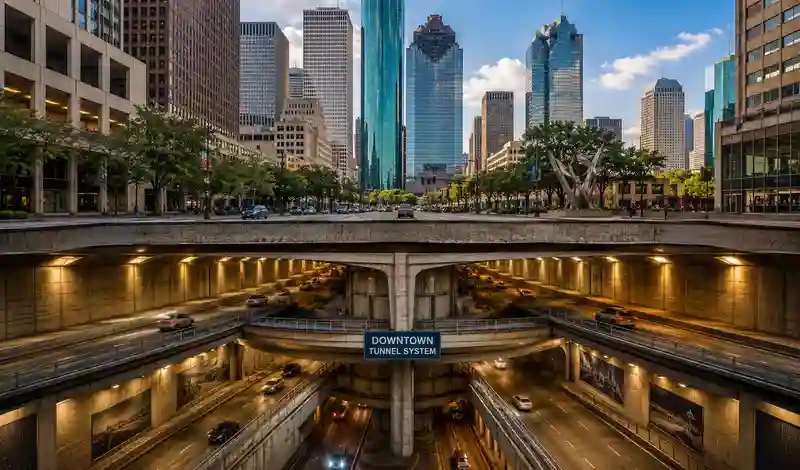
The Houston Downtown Tunnel System is a network of interconnected underground pedestrian walkways located beneath Downtown Houston.
The system stretches approximately seven miles and connects more than 95 city blocks through a combination of tunnels, building corridors, and climate-controlled passageways.
Unlike subway systems or underground transportation networks found in other cities, Houston's tunnels are designed primarily for pedestrians.
Visitors use the tunnels to access:
- Office towers
- Hotels
- Restaurants
- Retail shops
- Government buildings
- Parking garages
- Entertainment venues
The system is especially popular during Houston's hot summers, providing a comfortable way to move between buildings without exposure to heat, humidity, or rain.
Today, the tunnels serve as both a practical transportation solution and a unique urban attraction.
Why Were the Downtown Houston Tunnels Built?
Houston's climate played a major role in the creation and expansion of the tunnel network.
The first sections of the tunnel system date back to the 1930s when developer Ross Sterling connected several downtown properties through underground passageways inspired by similar developments in major urban centers.
As Downtown Houston expanded during the second half of the twentieth century, additional office towers incorporated tunnel access into their designs.
Over time, the network evolved into one of the largest pedestrian tunnel systems in North America.
The tunnels helped address several challenges:
- Summer heat
- Severe weather
- Pedestrian safety
- Efficient movement between buildings
- Downtown accessibility
The result is an underground network that remains an important part of Houston's daily business activity.
Visitors interested in Houston's broader development story can learn more through Houston: A Tapestry of Geography, History, and People.
How Large Is the Houston Tunnel System?
Many first-time visitors are surprised by the size of Houston's underground network.
Key facts include:
- Approximately 7 miles of tunnels
- More than 95 connected city blocks
- Connections to dozens of office towers
- Access to restaurants, retail stores, and services
- Direct links to major Downtown destinations
The system is often described as an underground city because of the number of businesses and services located within its corridors.
While not every section is open at all times, the network remains one of the most extensive pedestrian systems in the United States.
Downtown Houston Tunnel Entrances & Access Points
One of the most common questions visitors ask is:
How do you enter the Houston tunnels?
Unlike traditional underground transit systems, most tunnel entrances are located inside connected buildings rather than directly on the street.
Common access points include:
- Wells Fargo Plaza
- McKinney Garage
- One Shell Plaza
- Bank of America Center
- Heritage Plaza
- Houston Center
- Various Downtown office towers
Most public access is available during normal business hours on weekdays.
Visitors should be aware that many sections of the system have limited evening and weekend access because the tunnels primarily serve Downtown office workers.
Before visiting, it is advisable to confirm current operating hours through the official Downtown Houston resources.
Houston Tunnel Maps & Navigation
Because of the size of the network, many visitors search for:
- Houston tunnel map
- Downtown Houston tunnel map
- Houston tunnel system directory
- Houston tunnel restaurants map
Fortunately, navigation has become much easier in recent years.
The tunnel system includes:
- Directional signage
- Building directories
- Color-coded wayfinding systems
- Digital maps
- Mobile navigation resources
First-time visitors should review a current tunnel map before exploring the network to better understand available routes and connected destinations.
For official maps and visitor information, the Downtown Houston District provides updated resources.
Restaurants in the Houston Tunnels
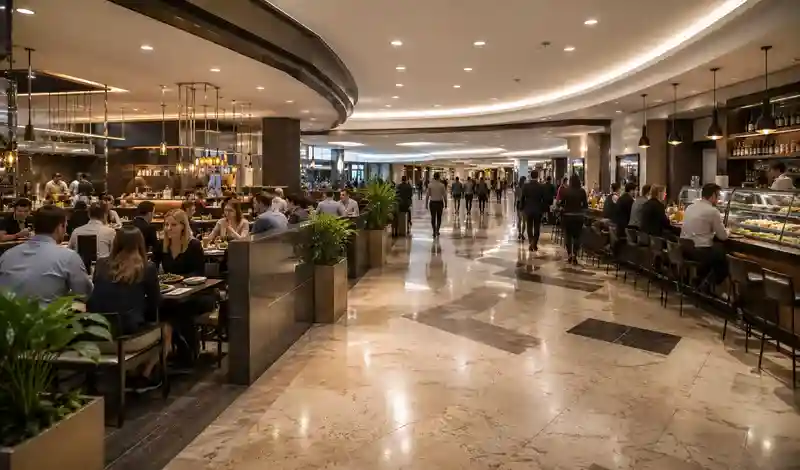
One of the most popular reasons people explore the tunnel system is the variety of dining options available underground.
The tunnels contain a diverse collection of restaurants, cafés, food halls, and quick-service establishments serving Downtown employees and visitors throughout the workweek.
Popular cuisine categories include:
- Tex-Mex
- American comfort food
- Asian cuisine
- Sandwich shops
- Coffee bars
- Salad concepts
- Breakfast venues
The tunnel restaurant scene is busiest during weekday lunch hours when thousands of office workers use the network.
Visitors looking for additional dining recommendations throughout the city can explore Fancy Restaurants in Houston: Experience Exquisite Dining.
Is the Houston Tunnel System Worth Visiting?
For many visitors, the answer is yes.
The tunnels provide an experience that differs significantly from traditional tourist attractions.
Reasons to visit include:
- Unique urban design
- Houston history
- Downtown architecture
- Underground dining options
- Climate-controlled exploration
- Local business culture
The tunnel system is especially appealing to travelers interested in architecture, city planning, hidden attractions, and lesser-known experiences.
It is also a practical destination for business travelers staying in Downtown Houston.
The Tunnels and Downtown Houston Tourism
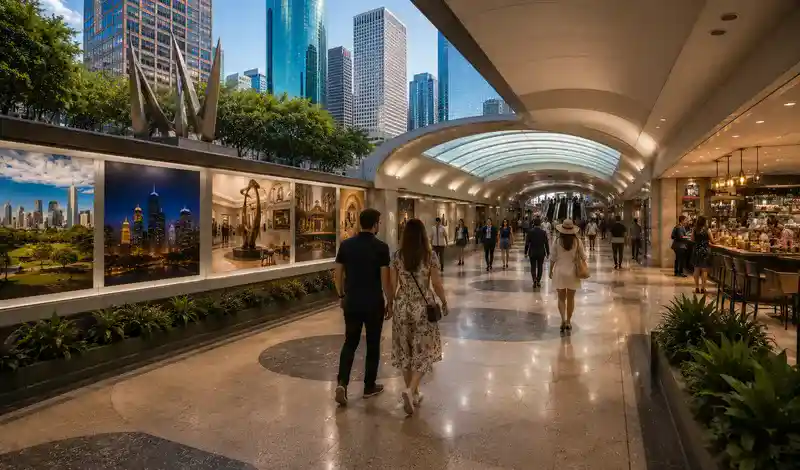
While the tunnel network was originally developed for practical purposes, it has gradually become a recognized attraction in its own right.
Visitors frequently combine tunnel exploration with:
- Historic Downtown Houston
- Theater District
- Discovery Green
- Market Square Park
- Downtown dining experiences
Many of these attractions also appear in Houston Things To Do | Attractions, Places & Transport, making it easy to build a full Downtown itinerary.
Reserve Your Houston Chauffeur Service
Exploring Downtown Houston with Private Transportation
Downtown Houston offers far more than underground tunnels.
Many visitors choose to combine tunnel exploration with museums, parks, historical sites, dining districts, and entertainment venues throughout the city.
Because Houston is geographically large, reliable transportation can help maximize your time and simplify logistics.
Discover Houston with a Professional Chauffeur
Whether you're attending meetings Downtown, visiting attractions, or exploring multiple districts during your stay, professional transportation can help create a smoother travel experience.
Create a Complete Downtown Houston Experience
The tunnel system is only one part of Houston's story.
Visitors often combine their Downtown visit with historical landmarks, cultural attractions, dining destinations, and guided sightseeing experiences.
For travelers seeking a personalized introduction to Houston, private tours offer an efficient way to explore the city's most notable neighborhoods and attractions.
Frequently Asked Questions
The Houston Downtown Tunnel System spans approximately seven miles and connects more than 95 city blocks beneath Downtown Houston.
Yes. Most sections are open to the public during normal weekday business hours, although access may vary depending on the building and location.
Current tunnel maps are available through the Downtown Houston District and various Downtown building directories.
Yes. The tunnel system contains numerous restaurants, cafés, food vendors, and dining locations serving Downtown workers and visitors.
Absolutely. Many visitors explore the tunnels to learn about Houston's history, architecture, and unique urban design.
Many tunnel sections have limited weekend access because the network primarily serves office buildings and Downtown businesses.
Most visitors access the tunnels through connected Downtown buildings, parking garages, hotels, or office towers. Professional transportation can simplify travel to and from Downtown Houston.
Most visitors spend between one and three hours exploring the tunnels, dining, and visiting nearby Downtown attractions.
Luxury Airport Transfers & Private
Chauffeur Service
Book luxury airport transportation and executive car service directly from your phone. Track your ride, manage your trips, and experience premium travel without compromise.