

Houston is widely recognized as the energy capital of the world, serving as a global hub for oil, gas, and emerging energy technologies.
From historic discoveries to modern offshore innovation, Houston has built one of the most influential energy ecosystems anywhere.
This guide covers:
- The history of Houston’s oil and gas industry
- Its current economic and global role
- Major companies operating in the region
- Future trends shaping the energy sector
🛢️ History of the Oil and Gas Industry in Houston
The Spindletop Turning Point
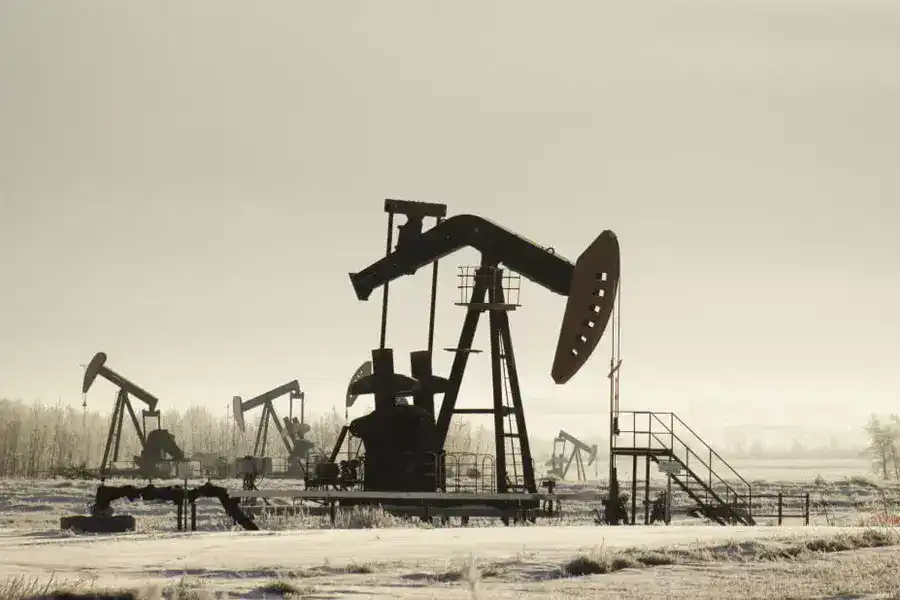
The modern energy era in Texas began with the Spindletop oil discovery in 1901 near Beaumont.
This event:
- Triggered the Texas oil boom
- Attracted investment and talent
- Positioned Houston as a logistics and trading center
Infrastructure Expansion
The opening of the Houston Ship Channel in 1914 transformed Houston into a global export hub.
By the mid-20th century, Houston had:
- Major refineries
- Petrochemical complexes
- Pipeline networks
🌎 Houston’s Role in the Global Energy Market
Today, Houston remains central to the global energy system.
Corporate Concentration
Houston is home to:
- Over 4,000 energy-related companies
- Regional and global headquarters
- Trading, engineering, and logistics operations
Major organizations such as the American Petroleum Institute and the Society of Petroleum Engineers maintain strong ties to the city.
Infrastructure Scale
The region includes:
- One of the world’s largest petrochemical complexes
- Extensive refining capacity
- Global export logistics via the Gulf Coast
Houston’s energy ecosystem also drives significant executive mobility, corporate travel demand, and business operations across the region. Explore our Houston Business and Corporate Transportation Services Hub for broader insights into business travel and corporate mobility solutions.
👉 Explore Corporate Private Car Service
Major Players in the Houston Oil and Gas Industry

Houston city is known as the home to some of the biggest oil companies and top oil companies globally, including a plethora of oil majors and the largest oil producers in the world. The city has a rich concentration of integrated oil companies that participate across upstream, midstream, and downstream activities, as well as independent oil manufacturers focused on specific sectors.
The largest US oil companies, such as ExxonMobil and Chevron, have been headquartered in Houston for decades and manage substantial portions of their global operations from their Houston campuses. Other international oil giants, including Royal Dutch Shell, BP, and Total, maintain their US headquarters in Houston, making it the base for some of the largest oil and gas companies.
In addition to operations centers for these multinational corporations, Houston also houses crucial regional hubs for state-owned firms like Saudi Aramco, Sinopec, and PetroChina. Independent E&P companies such as ConocoPhillips, Apache, and EOG Resources are also part of the largest oil companies in the US with major bases in Houston directing drilling programs.
Refining leaders Phillips 66, LyondellBasell, and Valero have significant facilities around Houston, drawn by the area's infrastructure and pipeline networks. Firms like Halliburton, Baker Hughes, and National Oilwell Varco represent the biggest oil company players in the city's field services sector.
Houston's energy ecosystem encompasses exploration, production, services, equipment, trading, logistics, and beyond, attracting key executives, investors, and talent. With its major oil companies and status as a top oil and gas hub, the city has cemented its reputation as the "Energy Capital of the World."
1. PetroChina
PetroChina, a subsidiary of China National Petroleum Corporation (CNPC), has established growing operations in Houston and the US oil and gas industry. This move marks the company's expansion beyond China, reinforcing its position in the global energy market.
Opening its Houston office in 2011, PetroChina sought to support its burgeoning international exploration and production activities. Today, this location manages the company's assets in South America, Canada, and the Gulf of Mexico, showcasing its influence as a leading PetroChina company.
Key leaders based in Houston include Chairman and former CEO Yongzhong Jiang, who oversees North American strategy. Current CEO Gengyin Zhou is also located there, further strengthening the company's regional presence.
As of July 2023, PetroChina's market capitalization is $196.34 Billion, making it the world's 56th most valuable company by market cap. This indicates its significant capacity and resources. PetroChina's stock, known as CNPC stock, trades on several markets, including the Shanghai, Hong Kong, and New York exchanges, reflecting the company’s global reach.
2. ExxonMobil
ExxonMobil, also known as Exxon Corporation, maintains its global headquarters and many core operations in Houston and is one of the world's largest publicly traded oil companies.
ExxonMobil's origins date back to the 1870s, when John D. Rockefeller founded Standard Oil. In the 2000s, Exxon and Mobil merged to create the modern integrated oil giant that it is today. This explains the term "Exxon Mobil" and the XOM stock symbol.
ExxonMobil's Houston headquarters oversees its upstream oil and gas exploration and production, midstream transportation assets, and downstream refining and chemical plants. Key facilities include the Baytown complex and the Beaumont refinery, both part of the company's extensive portfolio.
Well-known leaders associated with ExxonMobil in Houston have included former CEO Lee Raymond and current Chairman & CEO Darren Woods. The company also has a large campus to train recruits, indicating its commitment to nurturing talent.
The company's history and operations also involve Mobil Oil, which was an independent company before merging with Exxon. The "Mobil" in ExxonMobil is a nod to this historical merger.
3. Sinopec
Sinopec, one of the largest oil companies in China, has expanded operations globally. The firm has established a growing presence in Houston and the US energy sector, marking its place among other Chinese oil companies.
Starting in 2004, Sinopec engaged in crude oil futures trading and storage in Houston. The company now operates from an office in downtown Houston, where it trades crude futures, manages Gulf Coast storage facilities, and seeks to make upstream acquisitions in the region.
As China's largest producer and supplier of refined oil products, the Sinopec Group is looking to integrate its upstream and downstream operations in the US through bases like Houston. It aims to strengthen ties with North American partners, reinforcing its position as a leading Chinese oil company.
4. Saudi Aramco
Saudi Aramco, also known as Aramco, is the state-owned oil company of Saudi Arabia and ranks among the world's largest oil companies. It has been a significant presence in Houston for over seven decades, demonstrating its long-term commitment to the US energy sector.
The company's Houston office oversees several joint ventures, subsidiaries, and partnerships that support Saudi Aramco's upstream and downstream activities in North America. This includes the Aramco Services Company, which offers technical services and construction expertise for Saudi Aramco's global portfolio.
Through its Houston office, Saudi Aramco also partners with companies like Motiva, S-Oil, and SABIC. These partnerships highlight the company's influence in the global energy market and its integrated approach to business.
Additionally, Saudi Aramco Energy Ventures, an innovative arm of Saudi Aramco, has a Houston office that invests in startups and technologies reinventing the energy sector. This venture underscores Saudi Aramco's commitment to fostering innovation and technological advancement within the energy industry.
5. Shell
Royal Dutch Shell, also known simply as Shell, is a global oil major with a substantial presence in Houston. Its subsidiary, Shell Oil Company, which houses all of Shell's US operations, is headquartered in the city.
Shell's Houston campus supports a wide range of the company's activities, including deepwater exploration, refining, pipelines, supply, distribution, lubricants, research, environmental concerns, and more. The Houston trading operation is one of Shell's largest worldwide, reinforcing the city's strategic importance to the company.
As a multinational Corporation, Shell operates gas stations worldwide, including in the US. If you're looking for a "Shell gas station near me" or "Shell near me", you can use their station locator tool on the Shell website to find the nearest location.
6. Chevron Corporation
Chevron, a multinational oil giant, maintains significant operations in Houston despite having its headquarters in San Ramon, CA. The city of Houston serves as the epicenter for Chevron's exploration and production activities worldwide.
In Houston, Chevron operates its massive Upstream business unit that oversees global oil and gas exploration and drilling. The company's refining presence in the region is substantial, including the Pasadena Refinery and Galveston Bay Refinery. Additionally, Chevron also operates major petrochemical facilities in the region.
If you're looking for "Chevron gas" or more information about the "Chevron Corporation", their official website provides comprehensive details.
7. TotalEnergies
TotalEnergies, one of the world's largest oil and gas supermajors, operates a significant campus in Houston. This campus houses Total's US E&P (Exploration & Production) business unit and its subsidiary, Total Petrochemicals & Refining USA.
The Houston-based personnel manage upstream offshore operations in the Gulf of Mexico and US refining and petrochemical assets. The leadership of the Americas division is also based in this Houston location, highlighting its strategic importance to the company.
As a global Total Energy company, TotalEnergies operates across all sectors of the energy market, including Total Oil and Total Gas. It also has a strong presence in low-carbon energies, reflecting its commitment to sustainable energy solutions.
8. Valero Energy Corporation
Valero Energy Corporation, a San Antonio-based company, is recognized as the largest independent petroleum refiner in the U.S. Valero has a significant presence in the Houston region, with substantial refineries, logistics operations, and petrochemical facilities throughout Houston and the Gulf Coast.
The company operates a refinery in Houston, strategically located on the Houston Ship Channel. This refinery processes 245,000 barrels of crude oil per day. In addition to its refining operations, Valero maintains a large corporate campus in the Houston area.
Valero Oil is one of the many petroleum products that the company refines and markets. The company's other products include gasoline, diesel fuel, jet fuel, lubricants, petrochemicals, and asphalt.
Valero Fuel refers to the various types of fuels that Valero produces, including conventional fuels like gasoline and diesel and renewable fuels. Valero is one of the largest biofuel producers in the world, producing ethanol and renewable diesel.
9. BP
BP, also known as British Petroleum, has a sprawling campus in Houston that serves as the headquarters for all of its US oil and gas operations. Houston anchors the major business units managing deepwater Gulf drilling, onshore shale production, refining, pipelines, and trading.
The Houston offices house leadership directing BP's American activities across upstream, downstream, renewables, and other divisions. This underlines Houston's strategic importance to BP's operations.
In addition, BP has a large startup incubator and a trading floor in the city. If you're looking for a "BP near me" or a "BP gas station," you can use BP's station locator tool to find the nearest location.
10. Marathon Petroleum
Marathon Petroleum has a large footprint in Houston, spanning various operations including refining, midstream, retail, and corporate functions. Major facilities under Marathon's management include the Galveston Bay refinery located in Texas City and the Andeavor Logistics crude oil terminals.
Marathon's midstream operations own and operate pipelines, storage facilities, and other logistics assets, many of which are concentrated along the Gulf Coast near Houston. The company's retail marketing branch directs the Marathon-branded gas stations in the region.
If you're looking for "Marathon gas stations" or more information about "Marathon Refinery", their official website provides comprehensive details.
Future of the Oil and Gas Industry in Houston
Houston, home to numerous oil and gas companies, has long focused on the industry. However, the oil and gas industry is expected to gradually shift toward integrating renewable energy sources and advanced technologies. This means that the oil industry's future isn't merely confined to traditional energy sources. The city's oil and gas workforce management will also need to adapt to the changing energy landscape.
Emerging Technologies and Energy Sources
Houston's energy sector is exploring avenues beyond traditional oil and gas jobs. The city aims to establish itself as a hub for renewable power like solar and wind. For instance, the University of Houston has dedicated research centers working towards making solar technology more efficient. The city's vast Houston oil industry also provides expertise that can aid battery storage capabilities for renewables.
Simultaneously, Houston is stepping up efforts to lead the adoption of carbon capture technology. This method involves trapping carbon dioxide emissions from oil and gas companies in Houston before they enter the atmosphere. Several pilot projects across Houston are demonstrating the viability of large-scale carbon capture, signaling a key element of the oil and gas industry's future.
Workforce Trends and Training Needs
The future of oil and gas will also require an oil and gas+aging workforce to broaden their skillsets beyond traditional petroleum engineering. As oil companies in Houston hiring trends suggest, the industry increasingly needs professionals with expertise in data analytics, AI, cybersecurity, and other technical areas.
Houston's future oil and gas workforce management strategy must focus on nurturing these new-age competencies. More training will be required in environmental science, renewable energy, and even software development. Local institutions like Rice University and the University of Houston are already adding programs in these next-gen energy fields, helping to shape the future of the oil and gas industry.
With the right investments in workforce development, Houston can continue to position itself at the cutting edge of the sector's ongoing evolution. This multifaceted approach to energy, blending traditional oil and gas jobs in Houston with emerging technologies and renewable resources, paints a promising picture for Houston's energy future.
📊 Current State of the Industry
The oil and gas sector remains a major contributor to Houston’s economy.
Key Characteristics:
- Strong global investment presence
- Integrated supply chains
- High concentration of technical talent
Houston also plays a major role in:
- Energy trading
- Engineering innovation
- Offshore project development
🔮 Future of Energy in Houston
Houston is not standing still while the world argues about energy.
Energy Transition & Innovation
The city is investing in:
- Carbon capture technologies
- Hydrogen energy
- Renewable integration
Local institutions such as:
- University of Houston
- Rice University
are actively developing next-generation energy solutions.
Workforce Evolution
Future demand includes:
- Data analytics
- AI and automation
- Environmental and energy engineering
Houston’s ability to adapt is why it keeps its “energy capital” title instead of just framing it on a wall.
👉 Plan a Multi-Stop Executive Roadshow
🌐 Offshore Technology Conference (OTC)
_1758013797.webp)
One of the most important industry events is the
Offshore Technology Conference.
Held annually in Houston, OTC brings together
- Global energy companies
- Engineers and researchers
- Investors and decision-makers
The event also creates significant demand for executive transportation, airport transfers, and coordinated business travel across Houston. Businesses attending OTC often rely on Houston Corporate Transportation Services for executive mobility, multi-stop scheduling, and professional chauffeur transportation throughout the conference period.
📖 Full event breakdown:
👉 OTC Houston 2026 Conference Guide
🧭 Business Travel in Houston’s Energy Sector

Energy professionals often operate across:
- Multiple meetings
- Site visits
- Conferences and roadshows
This creates demand for structured, reliable transportation.
For coordinated business travel:
- 👉Executive business transportation in Houston
- 👉Houston Executive Car Service
- 👉Houston Roadshow Transportation Services
For multi-stop event logistics:
📚 External Resources (Keep existing authority signals)
- Investopedia: https://www.investopedia.com/terms/r/roadshow.asp
- GBTA Corporate Travel Trends: https://www.gbta.org
- OTC Official Website: https://2026.otcnet.org
📊 Key Takeaways
- Houston is the global center of the oil and gas industry
- Its dominance began with the Spindletop discovery
- The city hosts major international energy companies
- Infrastructure and talent sustain its leadership
- Future growth includes energy transition technologies
Lavish Ride - Secure Your Safety.
Frequently Asked Questions
Houston is called the Energy Capital of the World due to its unmatched concentration of oil and gas companies, global headquarters, and energy infrastructure. The city hosts over 4,000 energy firms and plays a central role in exploration, production, refining, and energy innovation worldwide.
Houston is home to major global energy companies such as ExxonMobil, Chevron, Shell, BP, ConocoPhillips, and Halliburton. These companies manage significant international operations from Houston, reinforcing its position as a global energy hub.
The oil and gas industry contributes roughly 40% of Houston’s economic output. It drives job creation, infrastructure development, and global investment, making it one of the most influential sectors in the region.
The Offshore Technology Conference (OTC) is one of the world’s leading energy events, held annually in Houston. It brings together industry leaders, engineers, and executives to discuss offshore energy innovations, making it a key opportunity for networking and business development.
Houston’s size, traffic, and fast-paced business environment make reliable transportation essential. Professional chauffeur services ensure punctuality, privacy, and efficiency, allowing executives to focus on meetings, site visits, and high-level decision-making without logistical distractions.
A dedicated Houston road show service is the most effective solution for multi-stop schedules, investor meetings, and corporate tours. It provides a professional chauffeur, optimized routing, and flexible scheduling to ensure seamless transitions between locations.
Luxury transportation services transform travel time into productive time by offering a quiet, comfortable environment for calls, preparation, and work. With reliable scheduling and premium vehicles, executives can maintain focus and efficiency throughout demanding business days.
Luxury Airport Transfers & Private
Chauffeur Service
Book luxury airport transportation and executive car service directly from your phone. Track your ride, manage your trips, and experience premium travel without compromise.