
Long-distance travel can be rewarding, productive, and enjoyable when planned properly. Whether you're traveling between Texas cities for business, visiting family, attending medical appointments, connecting to an airport, or heading on a leisure trip, preparation often determines whether the journey feels smooth or stressful.
Many travelers focus exclusively on the destination and underestimate the importance of the travel experience itself. However, comfort, timing, transportation selection, packing strategy, and route planning all affect the overall success of an intercity trip.
This guide provides practical long-distance travel tips designed to help travelers stay comfortable, organized, and productive while traveling between cities.
Long-Distance Travel Planning Snapshot

Different trips require different planning priorities.
|
Trip Type |
Typical Distance |
Primary Planning Focus |
|
Houston to College Station |
95 Miles |
Convenience |
|
Houston to Austin |
165 Miles |
Productivity |
|
Houston to San Antonio |
200 Miles |
Comfort |
|
Houston to Dallas |
240 Miles |
Time Management |
|
Houston to New Orleans |
350 Miles |
Logistics & Scheduling |
The longer the trip becomes, the more important transportation selection, comfort planning, and schedule management become.
Travelers researching regional transportation options often begin with Long-Distance Transportation in Houston: Best Options and Tips, which compares many of the transportation methods available throughout Texas and neighboring states.
Why Long-Distance Travel Requires Different Planning

A two-hour trip and a six-hour trip create very different travel demands.
Short local transportation usually requires minimal preparation. Long-distance travel introduces additional considerations such as:
- Route planning
- Traffic patterns
- Rest breaks
- Airport connections
- Weather conditions
- Vehicle selection
- Luggage management
- Food and hydration
- Traveler comfort
Whether traveling alone or with others, investing a little extra preparation before departure can significantly improve the experience.
Common Long-Distance Travel Challenges
Travelers frequently encounter:
- Driver fatigue
- Delayed departures
- Poor packing decisions
- Traffic congestion
- Missed connections
- Limited flexibility
- Travel stress
- Productivity loss
Most of these challenges can be minimized through better planning before the trip begins.
Planning a Long-Distance Trip

Successful long-distance travel usually begins several days before departure.
The goal is not to create a complicated itinerary. The goal is to eliminate avoidable problems before they occur.
Research Your Route
Before traveling between cities, understand:
- Approximate drive time
- Construction zones
- Seasonal traffic patterns
- Weather forecasts
- Fuel availability
- Rest areas
- Alternative routes
Major Texas transportation corridors such as Interstate 10, Interstate 45, US-290, and Interstate 35 often experience varying traffic conditions depending on time of day and season.
Travelers planning trips between major cities frequently compare route options through resources such as Flying vs Private Car Service Between Houston and Texas Cities when evaluating travel efficiency.
Build Flexibility Into Your Schedule
One of the biggest mistakes travelers make is scheduling every minute too tightly.
Allow additional time for:
- Traffic delays
- Rest stops
- Airport procedures
- Weather disruptions
- Unexpected schedule changes
A realistic schedule reduces stress and improves decision-making throughout the trip.
Choose Transportation Based on the Journey
Different transportation methods work best for different situations.
Questions worth asking include:
- How many people are traveling?
- Will work be completed during the trip?
- Is luggage involved?
- Are airport connections required?
- Are multiple stops planned?
Many travelers exploring regional transportation solutions review the Lavish Ride Travel Tips Center before organizing longer intercity trips.
Who Benefits Most From Long-Distance Transportation?

Long-distance transportation serves a wide range of traveler types.
Understanding your travel needs helps determine the best planning strategy.
Executive Travelers
Business travelers often prioritize:
- Productivity
- Schedule control
- Privacy
- Reliability
- Time efficiency
Many professionals travel regularly between major business centers such as Houston, Dallas, Austin, San Antonio, and New Orleans.
Families
Families frequently prioritize:
- Comfort
- Safety
- Convenience
- Luggage space
- Flexible schedules
Family trips often involve additional planning related to children, meal stops, entertainment, and group coordination.
Airport Travelers
Many long-distance trips begin or end at airports.
Travelers connecting through Houston frequently coordinate transportation with flight schedules, hotel stays, and final destination logistics.
Medical Travelers
Healthcare travel requires a different planning approach.
Comfort, accessibility, schedule reliability, and reduced physical strain often become more important than speed.
Leisure Travelers
Vacationers, weekend travelers, and visitors frequently seek transportation solutions that allow them to enjoy the journey while minimizing travel stress.
Popular regional destinations include:
- Austin
- San Antonio
- New Orleans
- Texas Hill Country
- Gulf Coast communities
- University towns
Essential Pre-Trip Checklist
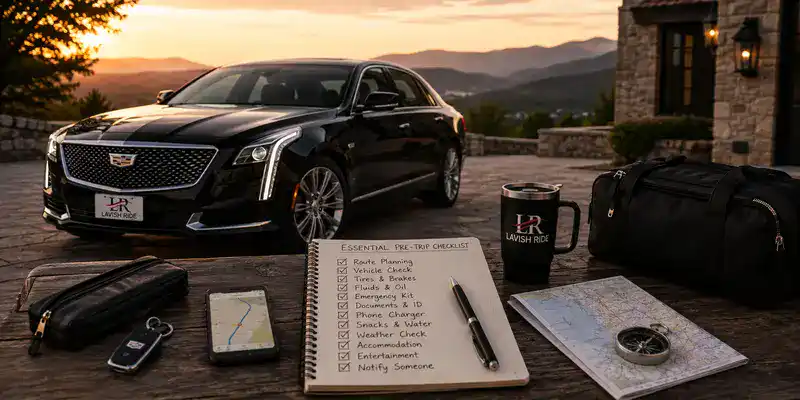
Before leaving, confirm the following:
Travel Documents
- Identification
- Reservation confirmations
- Flight information
- Hotel information
- Event tickets
Personal Essentials
- Phone charger
- Medications
- Water bottle
- Snacks
- Personal items
Communication
- Confirm pickup times
- Share itineraries when necessary
- Verify transportation details
Technology
- Fully charge devices
- Download important documents
- Save offline maps if needed
Weather Review
- Check destination conditions
- Prepare appropriate clothing
- Review any weather-related travel alerts
Proper preparation often prevents the majority of common travel disruptions.
The Foundation of Comfortable Travel
Comfort begins long before departure.
Travelers who plan realistic schedules, select appropriate transportation, prepare essential items, and understand their route generally experience fewer disruptions and less travel fatigue.
In the next section, we'll cover practical strategies for staying comfortable during extended car travel, including seating comfort, hydration, productivity, vehicle selection, rest planning, and ways to reduce fatigue during longer journeys.
How to Stay Comfortable During Extended Car Travel

Long-distance travel is often less about the destination and more about how you feel when you arrive.
A three-hour trip can feel exhausting if planned poorly, while a six-hour journey can feel productive and comfortable with the right preparation. The key is minimizing physical fatigue, reducing travel stress, and creating an environment that supports relaxation or productivity.
Start With the Right Transportation Option
The vehicle and transportation method you choose will influence nearly every aspect of the journey.
Factors to consider include:
- Trip duration
- Number of passengers
- Luggage requirements
- Work needs
- Accessibility requirements
- Planned stops
For regional travel between cities, many travelers utilize Houston Long Distance Transportation because direct transportation eliminates many of the challenges associated with driving, rental vehicles, and transportation transfers.
Dress for Comfort, Not the Destination
One of the simplest travel mistakes is dressing only for the destination rather than the journey.
For extended travel:
- Wear breathable clothing
- Choose comfortable footwear
- Dress in layers
- Bring a light jacket
- Avoid restrictive clothing
Temperature changes between vehicles, hotels, airports, and destinations can quickly affect comfort levels during longer trips.
Hydration & Nutrition During Long Trips
Fatigue is often caused by dehydration and poor nutrition rather than travel itself.
Travelers should prioritize:
- Water intake
- Balanced meals
- Healthy snacks
- Moderate caffeine consumption
Smart Travel Snacks
Good options include:
- Nuts
- Protein bars
- Fruit
- Crackers
- Trail mix
Heavy meals may cause sluggishness, particularly during long road journeys.
Avoid Over-Caffeinating
While coffee can improve alertness, excessive caffeine often contributes to:
- Restlessness
- Headaches
- Fatigue crashes
- Sleep disruption
A balanced approach generally produces better results.
Reducing Physical Fatigue During Long Rides
Sitting for extended periods can create stiffness, discomfort, and fatigue.
Travelers should actively manage movement throughout the journey.
Schedule Stretch Breaks
For trips exceeding three hours, consider periodic stops to:
- Walk briefly
- Stretch muscles
- Improve circulation
- Reduce stiffness
These short breaks often improve comfort significantly without adding much travel time.
Improve Your Seating Position
Simple adjustments can help prevent discomfort:
- Maintain good posture
- Support your lower back
- Avoid leaning forward continuously
- Change positions occasionally
Small posture improvements can make a noticeable difference during longer trips.
Bring Travel Comfort Essentials
Helpful items may include:
- Neck pillow
- Light blanket
- Eye mask
- Noise-canceling headphones
- Lumbar support pillow
Comfort tools become increasingly valuable as travel time increases.
Staying Productive While Traveling

Many travelers view travel time as lost time.
With proper planning, long-distance transportation can become productive time instead.
Prepare Work Before Departure
Business travelers often benefit from:
- Downloading documents
- Organizing presentations
- Reviewing meeting materials
- Creating task lists
Preparing in advance minimizes interruptions during the trip.
Use Travel Time Strategically
Depending on your transportation method, travel time can be used for:
- Email management
- Reading
- Research
- Strategic planning
- Project reviews
- Professional development
Many executives who travel frequently between Texas cities choose transportation methods that allow them to remain productive rather than focusing on navigation and driving.
Additional insights are available in Why Executives Choose Private Intercity Transportation Between Texas Cities, which explores how business travelers maximize travel efficiency.
Route Planning Tips for Longer Journeys
Route planning affects comfort almost as much as transportation selection.
Identify High-Traffic Periods
Many Texas highways experience predictable congestion patterns.
Common examples include:
- Morning rush hour
- Afternoon commuter traffic
- Holiday weekends
- University event weekends
- Major sporting events
Departing slightly earlier or later often saves significant time.
Monitor Weather Conditions
Weather can affect:
- Travel times
- Safety
- Road conditions
- Airport operations
Checking forecasts before departure helps reduce surprises.
Know Your Alternate Routes
Road construction, accidents, and weather events can affect travel unexpectedly.
Having alternative route options improves flexibility and reduces stress.
Choosing the Right Vehicle for the Journey

Different trip types benefit from different vehicle categories.
|
Travel Scenario |
Recommended Vehicle Type |
|
Solo Business Travel |
Executive Sedan |
|
Couples Travel |
Luxury Sedan |
|
Family Travel |
SUV |
|
Airport Transfers |
SUV |
|
Group Travel |
Sprinter Van |
|
Multi-City Itineraries |
Chauffeur Transportation |
Vehicle selection should be based on practicality rather than appearance.
Extra luggage, family travel, medical needs, or longer durations often justify additional space and comfort.
Travelers planning customized itineraries frequently utilize Elevate Your Travels With Our Hourly Car Service! when flexibility and multiple stops are required throughout the day.
Comfort Is a Planning Decision
Most travel discomfort can be prevented.
Travelers who:
- Stay hydrated
- Plan realistic schedules
- Select appropriate transportation
- Prepare comfort essentials
- Schedule breaks
- Manage expectations
typically arrive feeling significantly better than those who simply depart and hope for the best.
In the next section, we'll focus on executive travelers, family transportation, airport-to-city planning, and strategies for coordinating more complex travel scenarios.
Tips for Business Travelers
Business travel often has different priorities than leisure travel.
While comfort remains important, executives and professionals typically focus on productivity, reliability, schedule control, and minimizing disruptions. A transportation decision that saves 30 minutes but prevents several hours of productive work may not actually be the most efficient option.
Plan Around Meetings, Not Departure Times
Many travelers schedule transportation based solely on when they want to leave.
A better approach is to work backward from:
- Meeting times
- Conference schedules
- Client appointments
- Site visits
- Flight departures
This creates additional flexibility if traffic, weather, or schedule changes occur.
Protect Productive Hours
Long-distance travel can create valuable uninterrupted work periods.
Before departure:
- Download important files
- Review presentations
- Organize meeting notes
- Prepare agendas
- Confirm appointments
Professionals traveling regularly between major Texas business markets often explore services available through Houston Executive Car Service for Corporate Travel when productivity becomes a priority.
Minimize Transportation Transitions
Every additional transfer introduces complexity.
A typical business itinerary may involve:
- Airport transportation
- Rental vehicle pickup
- Hotel transfer
- Meeting transportation
Reducing unnecessary transportation transitions often improves efficiency and lowers stress levels.
Business travelers seeking broader transportation solutions frequently utilize the Houston Business and Corporate Transportation Services Hub when coordinating regional travel.
Family & Group Travel Tips

Family travel introduces a completely different set of considerations.
Children, luggage, scheduling needs, and varying comfort preferences require additional preparation.
Plan for More Time Than You Think You'll Need
Families often underestimate:
- Loading luggage
- Rest breaks
- Meal stops
- Child-related delays
- Unexpected schedule changes
Adding extra time to your itinerary helps reduce stress and creates a more enjoyable travel experience.
Keep Essentials Easily Accessible
Avoid packing everything in the trunk.
Keep important items nearby:
- Medications
- Snacks
- Chargers
- Children's items
- Travel documents
- Entertainment
Quick access can prevent unnecessary stops and interruptions.
Coordinate Group Logistics Early
When multiple travelers are involved, communication becomes important.
Confirm:
- Pickup locations
- Departure times
- Luggage requirements
- Child seat needs
- Destination details
Groups attending weddings, reunions, sporting events, or celebrations often utilize Group Transportation Services For Social & Corporate Events to simplify coordination and keep everyone together throughout the trip.
Family Travel Comfort Tips
Families traveling between cities frequently benefit from:
- Larger vehicles
- Flexible departure schedules
- Additional luggage space
- Fewer transportation connections
For additional family-focused planning recommendations, travelers may find Lavish Ride Helpful Family Travel Tips useful before longer journeys.
Airport-to-City Travel Planning

Airport connections are one of the most common sources of travel stress.
Even well-planned flights can become complicated if ground transportation is not coordinated properly.
Know Which Airport You're Using
Houston travelers typically utilize:
George Bush Intercontinental Airport (IAH)
Best suited for:
- International travel
- Long-haul domestic flights
- Business travel
- Airline hub connections
Travelers frequently utilize George Bush Intercontinental (IAH) Airport Transportation when connecting flights with regional destinations.
William P. Hobby Airport (HOU)
Often preferred for:
- Domestic routes
- Regional travel
- Shorter airport processing times
- Convenient access to many Texas destinations
Many travelers coordinate transportation through William P. Hobby (HOU) Airport Transportation before continuing to destinations throughout Texas.
Account for Airport Processing Time
Many transportation problems occur because travelers underestimate:
- Security screening
- Check-in requirements
- Baggage claim delays
- Terminal transfers
- Airport traffic
Building buffer time into the itinerary helps reduce missed connections and rushed travel decisions.
Consider Airport Alternatives
Depending on the destination, flying may not always be the most practical solution.
For shorter regional routes such as:
- Houston to College Station
- Houston to Beaumont
- Houston to Waco
direct transportation may provide a simpler door-to-door experience.
Travelers comparing transportation methods often review Best Ways to Travel from Houston to College Station before making travel decisions.
Airport Arrival Strategy
Once a flight lands, the goal shifts from air travel to reaching the final destination efficiently.
Consider:
- Ground transportation availability
- Distance from airport to destination
- Luggage requirements
- Group size
- Arrival time
Many travelers coordinate airport arrivals through Houston Airport Transportation Services to reduce uncertainty and simplify the final stage of the journey.
In the next section, we'll cover medical transportation travel tips, packing strategies, choosing the right transportation option, and the most common questions travelers ask before long-distance trips.
Medical Transportation Travel Tips

Medical travel requires a different planning approach than business or leisure transportation.
Many patients travel between cities for specialist consultations, diagnostic testing, rehabilitation, outpatient procedures, ongoing treatments, or visits to major healthcare facilities. In these situations, comfort, reliability, accessibility, and reduced stress often become more important than speed.
Schedule Transportation Around Your Appointment
When planning medical travel, avoid scheduling transportation too tightly around appointment times.
Allow extra time for:
- Traffic conditions
- Facility check-in procedures
- Parking delays
- Additional testing
- Follow-up consultations
Flexibility can help reduce unnecessary stress during an already important trip.
Bring Medical Essentials
Before departure, confirm you have:
- Identification
- Insurance cards
- Appointment confirmations
- Medication lists
- Prescriptions
- Emergency contact information
Keeping these items accessible rather than packed away can simplify the entire experience.
Consider Comfort During the Return Trip
Many travelers focus only on reaching the appointment.
However, the return trip may require additional planning, particularly after:
- Medical procedures
- Diagnostic testing
- Specialist consultations
- Extended treatment sessions
Travelers seeking healthcare-focused transportation often explore services available through Non-Emergency Medical Transportation when comfort and reliability are priorities.
What to Pack for Long-Distance Travel
Packing effectively helps eliminate many common travel frustrations.
The goal is not to bring everything. The goal is to bring the right items.
Essential Travel Checklist
Documents
- Government-issued ID
- Reservation confirmations
- Flight information
- Hotel details
- Event tickets
Technology
- Phone charger
- Portable battery pack
- Laptop charger
- Headphones
Comfort Items
- Neck pillow
- Reusable water bottle
- Light jacket
- Sunglasses
- Travel blanket
Health & Wellness
- Medications
- Hand sanitizer
- Personal hygiene items
- Snacks
Business Traveler Packing Priorities
Business travelers should additionally consider:
- Backup copies of presentations
- Business cards
- Meeting materials
- Professional attire
- Portable workspace essentials
Family Travel Packing Priorities
Families often benefit from preparing:
- Children's entertainment
- Snacks
- Extra clothing
- Comfort items
- Emergency supplies
Good packing decisions often reduce stress throughout the journey.
Choosing the Right Transportation Option

Transportation selection affects:
- Travel time
- Comfort
- Productivity
- Flexibility
- Overall trip experience
The best choice depends on the traveler, destination, and purpose of the trip.
Transportation Comparison
|
Option |
Best For |
Considerations |
|
Commercial Flights |
Long-distance travel |
Airport procedures required |
|
Personal Vehicle |
Independent travelers |
Driver fatigue possible |
|
Rental Car |
Multi-day trips |
Additional logistics |
|
Rail Service |
Select routes |
Limited availability |
|
Bus Service |
Budget travel |
Fixed schedules |
|
Private Transportation |
Door-to-door travel |
Maximum convenience |
Questions to Ask Before Choosing
Consider:
- How far am I traveling?
- How many passengers are involved?
- Will I need to work during the trip?
- Is airport access practical?
- Are multiple stops required?
- How much luggage am I bringing?
Transportation decisions become easier when based on actual travel needs rather than assumptions.
Travelers evaluating intercity transportation often begin with Houston Private Chauffeur & Black Car Services Hub, which provides access to a wide range of transportation solutions throughout Texas and beyond.
When Private Transportation Makes Sense
Private transportation is often a practical solution when travelers need:
- Direct service
- Schedule flexibility
- Privacy
- Group coordination
- Airport connectivity
- Business productivity
Travelers planning regional journeys frequently explore Long Distance Ride Service City to City: Hassle-Free Travel when comparing transportation methods for intercity travel.
Additional Travel Resources
Travelers looking for more specialized guidance may also find these resources useful:
- Houston Tourism & City Exploration Hub
- Reliable Ground Transportation in Houston
- Luxury Black Car Service in Houston
- Premier Houston Chauffeur Service for Any Occasion
These resources provide additional insights for leisure travelers, airport passengers, business travelers, and families planning transportation throughout Texas and neighboring regions.
External Resources
For additional travel planning information:
Lavish Ride - Secure Your Safety.
Frequently Asked Questions
Wear comfortable clothing, stay hydrated, take occasional stretch breaks, bring comfort items, and avoid overpacking. Proper planning often has the biggest impact on travel comfort.
Essential items include identification, chargers, medications, water, snacks, reservation confirmations, and weather-appropriate clothing.
For extended road trips, many travelers benefit from periodic breaks every few hours to stretch, walk briefly, and reduce fatigue.
Not necessarily. Airport procedures, baggage handling, and ground transportation requirements can sometimes make direct transportation more practical for regional routes.
Preparation is key. Downloading files, organizing work materials, and selecting transportation options that allow uninterrupted work time can improve productivity.
The answer depends on the trip, but families often prefer transportation methods that simplify luggage handling, scheduling, and group coordination.
Bring medical documents, medications, appointment information, and allow additional travel time before and after appointments.
Many travelers underestimate travel time and overestimate how much can be accomplished within a tight schedule. Building flexibility into the itinerary often improves the overall experience.
Luxury Airport Transfers & Private
Chauffeur Service
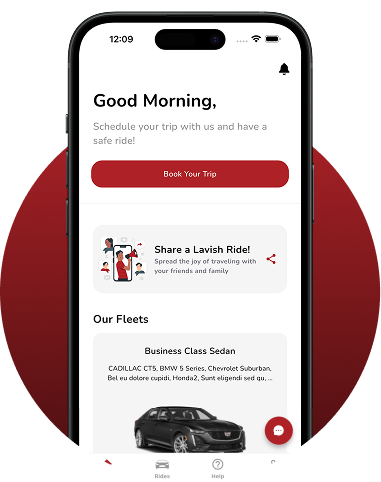
Book luxury airport transportation and executive car service directly from your phone. Track your ride, manage your trips, and experience premium travel without compromise.